

The celebration of Eid is a joyous occasion that brings together families and communities in Turkey. Traditional Eid clothing is an integral part of this celebration, symbolizing cultural heritage, unity, and festivity. As a supplier of Turkey Eid clothing, I often receive questions from customers about whether they can wear this clothing outside of the Eid festival. In this blog post, I'll explore this question in detail, highlighting the versatility and cultural significance of Turkey Eid clothing.
The Cultural Significance of Turkey Eid Clothing
Turkey Eid clothing is deeply rooted in the country's rich cultural and religious heritage. During Eid, people dress in their finest traditional attire to mark the occasion. These clothes are often characterized by vibrant colors, intricate embroidery, and high - quality fabrics. For women, traditional Eid dresses may feature flowing silhouettes, delicate lacework, and beading. Men's Eid clothing typically includes well - tailored suits, traditional turbans, and embroidered vests.
The act of wearing traditional Eid clothing is a way to honor and celebrate the religious and cultural values associated with the festival. It is a visual expression of unity and pride within the community. However, the beauty and craftsmanship of these clothes extend far beyond the festival itself.
Versatility of Turkey Eid Clothing
One of the great things about Turkey Eid clothing is its versatility. Many of the styles and designs can be adapted for everyday wear or other special occasions.
For Women
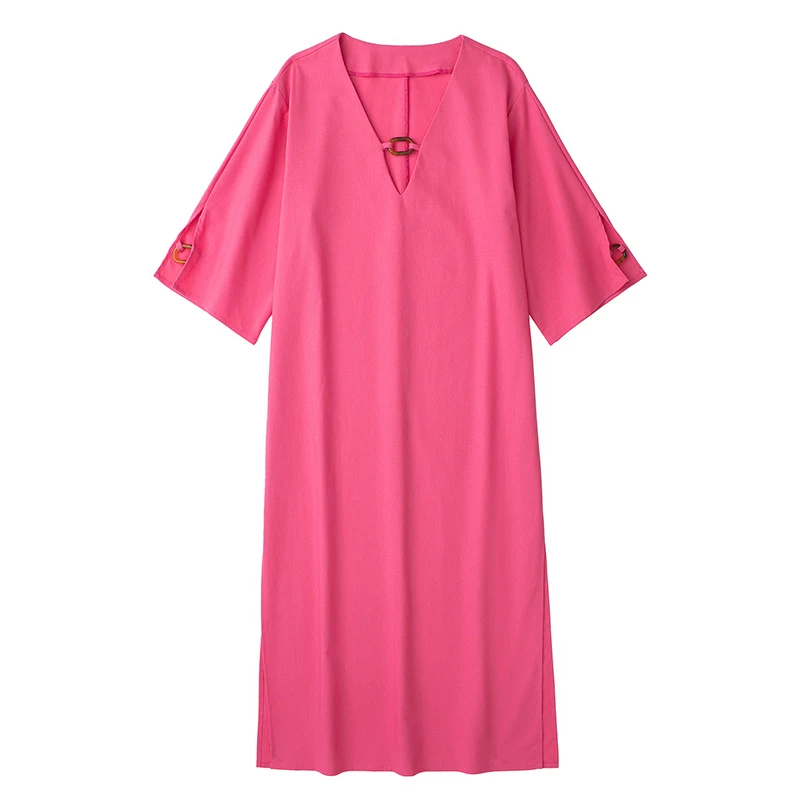
- Linen Dresses: Women's Linen Dress is a popular choice for both Eid and non - Eid days. Linen is a lightweight and breathable fabric, making it suitable for warm weather. These dresses often have simple yet elegant designs that can be dressed up or down. You can pair a linen Eid dress with sandals for a casual daytime look or add some statement jewelry and heels for an evening out.
- Muslim Women Dresses: Muslim Women Dresses are designed to be modest and comfortable. They come in a variety of styles, from long kaftans to abayas. These dresses can be worn on a daily basis, whether it's for work, running errands, or attending social events. The traditional patterns and colors can add a touch of cultural flair to your everyday wardrobe.
- Ultra - Long Dresses: Women's Ultra Long Dress are not only suitable for Eid but also for other formal or semi - formal events. Their flowing length gives an elegant and sophisticated look. You can wear them to weddings, parties, or cultural gatherings outside of the Eid festival.
For Men
Men's Eid clothing, such as the traditional kurta - pajama or a well - tailored suit, can also be worn on other occasions. A kurta - pajama can be dressed down with a pair of sneakers for a more casual look, or paired with a blazer and dress shoes for a formal event. The embroidered vests that are often worn during Eid can be added to a simple shirt and jeans combination, giving a stylish and cultural twist to an everyday outfit.
Fashion and Cultural Expression
Wearing Turkey Eid clothing outside of the festival is also a form of cultural expression and fashion statement. In today's globalized world, people are increasingly interested in incorporating elements of different cultures into their fashion choices. By wearing traditional Eid clothing, you are not only showing pride in your heritage but also sharing it with others.
Fashion is constantly evolving, and traditional clothing is being re - imagined and incorporated into modern styles. Designers are taking inspiration from traditional Eid clothing to create unique and contemporary pieces. This has made it even more acceptable and fashionable to wear these clothes outside of the festival.

Breaking Stereotypes
Another important aspect of wearing Turkey Eid clothing outside of Eid is breaking stereotypes. There is a common misconception that traditional religious or cultural clothing is only for special religious occasions. By wearing Turkey Eid clothing in your daily life, you are challenging this stereotype and showing that these clothes are not just restricted to a specific time or place.
It can also promote understanding and acceptance among different communities. When people see others wearing traditional clothing in various settings, it helps to normalize cultural diversity and fosters a more inclusive society.
Practical Considerations
Of course, when wearing Turkey Eid clothing outside of Eid, there are some practical considerations. You may need to adjust the styling based on the occasion. For example, if you're wearing a highly embroidered dress to work, you might want to tone down the accessories to make it more office - appropriate.
Also, it's important to respect the cultural and religious significance of the clothing. While it's perfectly fine to wear it outside of Eid, make sure you understand the meaning behind the designs and patterns. This shows respect for the culture and its traditions.
Conclusion
In conclusion, there is no reason why you can't wear Turkey Eid clothing outside of the Eid festival. These clothes are not only beautiful and culturally significant but also versatile and fashionable. As a supplier of Turkey Eid clothing, I encourage you to explore different ways of incorporating these traditional garments into your everyday wardrobe.
Whether you're looking for a unique piece to wear to a special event or want to add a touch of cultural flair to your daily look, our collection of Turkey Eid clothing has something for everyone. If you're interested in purchasing our products or have any questions about our designs, we invite you to contact us for a procurement discussion. We look forward to helping you find the perfect pieces to showcase your style and celebrate your cultural heritage.
References
- "Turkish Traditional Clothing: A Cultural Heritage" by Turkish Cultural Foundation
- "Fashion and Cultural Identity" by Global Fashion Institute
- "The Role of Traditional Clothing in Modern Society" by Cultural Studies Journal