

Denim jeans have long been a staple in men's wardrobes, offering durability, style, and versatility. One of the most distinctive features of denim is its ability to fade over time, creating a unique and personalized look. As a supplier of men's denim jeans, I've witnessed firsthand the fascination and questions surrounding this natural aging process. In this blog post, I'll delve into the science behind denim fading, explore the factors that influence it, and discuss how you can embrace and enhance the fading of your men's denim jeans.
The Science of Denim Fading
Denim is typically made from cotton twill fabric, with indigo dye used to give it its characteristic blue color. Indigo is a vat dye, which means it doesn't actually dissolve in water. Instead, it's reduced to a soluble form using a chemical process and then applied to the fabric. When the fabric is exposed to air, the indigo re-oxidizes and becomes insoluble again, adhering to the surface of the cotton fibers.
The fading of denim occurs as the indigo dye gradually wears off the surface of the cotton fibers. This can happen through a variety of processes, including friction, abrasion, and exposure to light and chemicals. As the dye fades, the underlying white cotton fibers become more visible, creating a lighter, worn-in appearance.

Factors Influencing Denim Fading
Several factors can influence how quickly and how much denim jeans fade over time. Here are some of the most important ones:
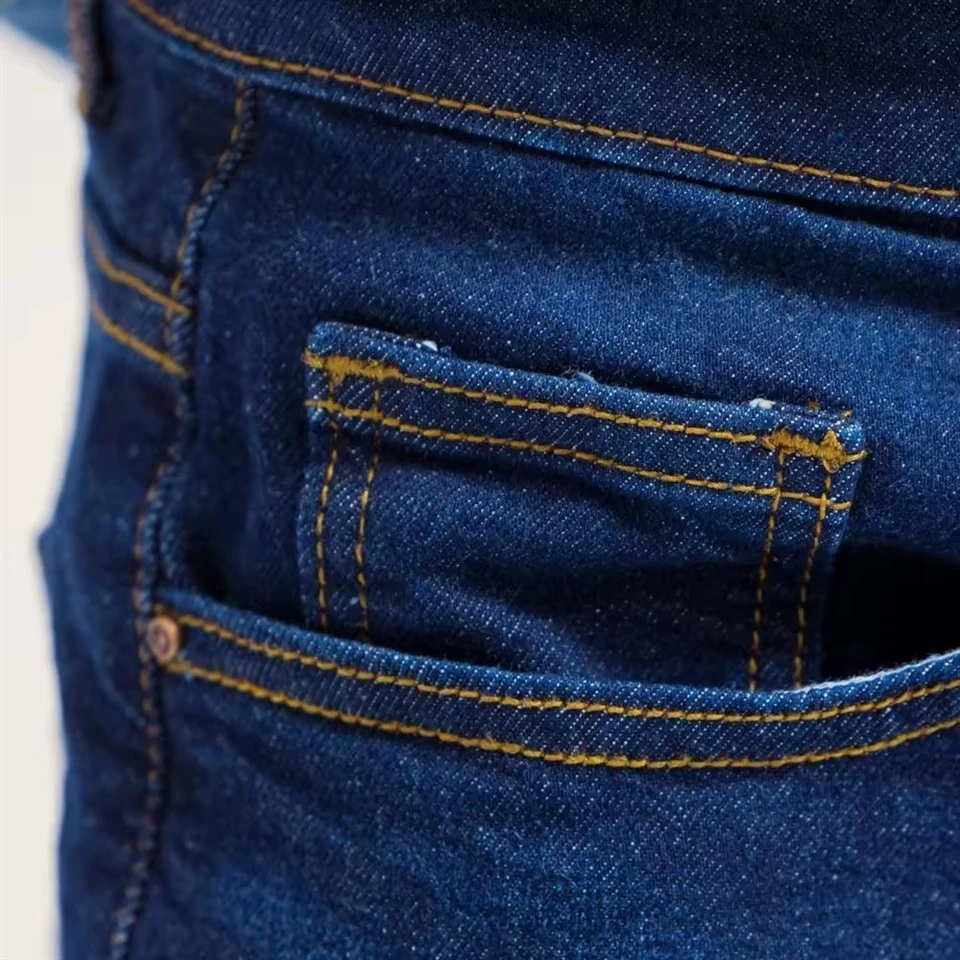
- Dyeing Process: The method used to dye the denim can have a significant impact on its fading properties. Jeans that are dyed using traditional indigo dyeing techniques tend to fade more evenly and develop a more authentic vintage look. On the other hand, jeans that are dyed using synthetic dyes or pre-faded treatments may fade more quickly but may not develop the same depth of character.
- Fabric Quality: The quality of the cotton used to make the denim can also affect its fading properties. Higher-quality cotton fibers are more durable and less likely to break down over time, which can result in slower fading. Additionally, the weight and weave of the denim can also play a role. Heavier denim fabrics tend to fade more slowly than lighter ones, while different weaves can create different patterns of fading.
- Washing and Drying: The way you wash and dry your denim jeans can have a big impact on how they fade. Frequent washing and high-temperature drying can cause the indigo dye to break down more quickly, resulting in faster fading. To slow down the fading process, it's recommended to wash your jeans less frequently and use a gentle cycle with cold water. Avoid using harsh detergents or bleach, as these can damage the fabric and cause the dye to fade more quickly.
- Wear and Tear: The amount of wear and tear your jeans experience on a daily basis can also affect how they fade. Areas of the jeans that are subjected to more friction, such as the knees, thighs, and seat, tend to fade more quickly than other areas. Additionally, activities such as hiking, biking, or working outdoors can cause the jeans to fade more rapidly due to increased exposure to sunlight, dirt, and sweat.
Embracing and Enhancing Denim Fading
While some people prefer the look of brand-new, dark denim jeans, others embrace the natural fading process and see it as a way to add character and uniqueness to their jeans. Here are some tips on how you can embrace and enhance the fading of your men's denim jeans:
- Wear Your Jeans Often: The more you wear your jeans, the more they will fade. Don't be afraid to wear them on a daily basis, and let them develop a natural patina over time.
- Avoid Washing Too Often: As mentioned earlier, frequent washing can cause the indigo dye to fade more quickly. Try to wash your jeans only when they are really dirty, and use a gentle cycle with cold water.
- Create Your Own Fading Patterns: If you want to create a more personalized look, you can try creating your own fading patterns on your jeans. This can be done using a variety of techniques, such as sanding, bleaching, or using a cheese grater to scrape away the surface layer of the fabric. Just be careful not to overdo it, as too much damage can weaken the fabric and cause it to tear.
- Use Vintage Washes and Treatments: If you want to achieve a more vintage look right from the start, you can look for jeans that have been treated with vintage washes or distressing techniques. These treatments can mimic the natural fading and wear that occurs over time, giving your jeans an instant lived-in look.
Our Men's Denim Jeans Collection
As a supplier of men's denim jeans, we offer a wide range of styles and designs to suit every taste and preference. Our collection includes Men's Stretch Straight Fit Jeans, which provide a comfortable and flattering fit, Male Denim Pants, which are perfect for everyday wear, and Mens Street Wear Stone Washed, which feature a trendy and edgy look.

All of our jeans are made from high-quality cotton denim and are designed to fade beautifully over time. Whether you're looking for a classic pair of blue jeans or something more unique and stylish, we have the perfect pair for you.
Contact Us for Procurement
If you're interested in purchasing our men's denim jeans for your retail store or business, we'd love to hear from you. We offer competitive pricing, high-quality products, and excellent customer service. To learn more about our products and pricing, please contact us to start a procurement discussion. We look forward to working with you to meet your denim jean needs.

References
- "The Science of Denim Fading." Denimology, www.denimology.com/science-of-denim-fading/.
- "How to Fade Your Denim Jeans." Levi's, www.levi.com/US/en_US/corp/about-jeans/how-to-fade-jeans.story.
- "The Art of Denim Fading." GQ, www.gq.com/story/the-art-of-denim-fading.