

When it comes to women's fashion, the choice between cotton and linen dresses is a common dilemma. As a supplier of women's linen dresses, I've had the opportunity to delve deep into the characteristics of both materials and understand their unique qualities. In this blog, I'll explore the differences between women's cotton and linen dresses to help you make an informed decision.
Material Composition
Cotton is a natural fiber derived from the cotton plant. It's one of the most widely used materials in the textile industry due to its softness, comfort, and versatility. Cotton fibers are relatively short and fine, which gives cotton fabrics a smooth and sometimes slightly shiny appearance.
On the other hand, linen is made from the fibers of the flax plant. Linen fibers are longer and coarser than cotton fibers. This gives linen fabrics a more textured and rustic look. Linen has been used for thousands of years and is known for its durability and strength.
Comfort and Breathability
One of the key factors when choosing a dress is comfort, especially during hot weather. Both cotton and linen are breathable materials, but they have different ways of keeping you cool.
Cotton is absorbent, which means it can soak up sweat and moisture from your skin. This helps to keep you dry and comfortable. However, in very humid conditions, cotton may feel a bit heavy as it retains moisture.
Linen, on the other hand, is highly breathable and has excellent moisture-wicking properties. It can absorb and release moisture quickly, allowing air to circulate around your body. This makes linen dresses ideal for hot and humid climates. You'll often find that linen feels cooler against the skin compared to cotton, even in the peak of summer.
Durability
In terms of durability, linen has an edge over cotton. Linen fibers are stronger and more resistant to wear and tear. A well-made linen dress can last for many years with proper care. It can withstand frequent washing and drying without losing its shape or strength.
Cotton is also a durable material, but it may not be as long-lasting as linen. Over time, cotton fabrics can become thin and develop holes, especially in areas that experience a lot of friction. However, the durability of cotton can vary depending on the quality of the fabric and the way it's treated.

Appearance and Drape
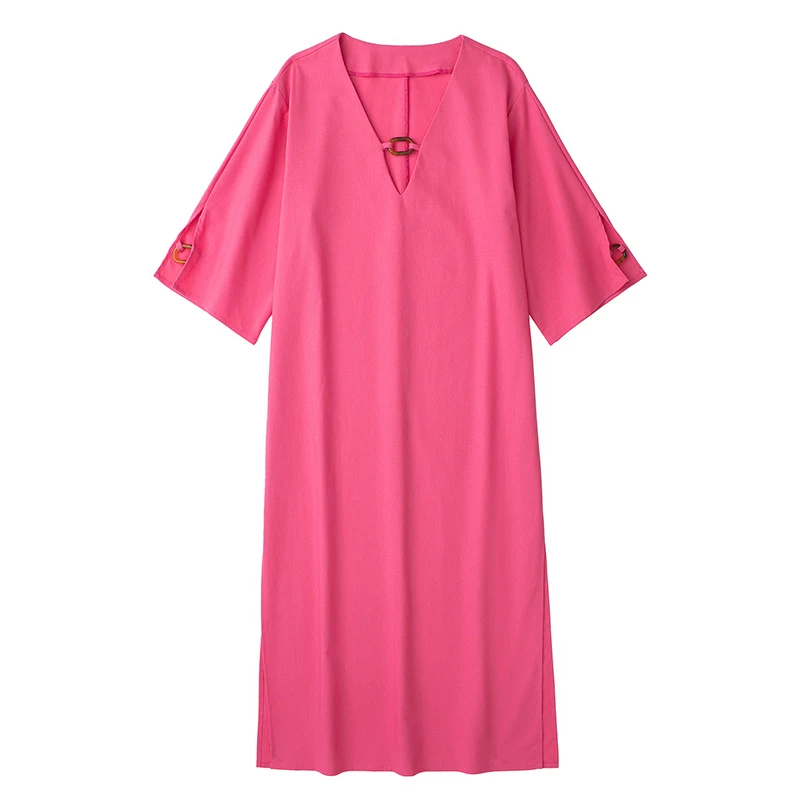
The appearance and drape of a dress can greatly affect its overall look and style. Cotton dresses tend to have a smoother and more polished appearance. They can be easily ironed to achieve a crisp and neat look, making them suitable for both casual and formal occasions.
Linen dresses have a more relaxed and natural look. The texture of linen gives it a unique charm that is often associated with a laid-back and bohemian style. Linen has a beautiful drape that falls gracefully, creating an elegant and flowing silhouette. However, linen is prone to wrinkling, which some people see as a drawback, while others embrace it as part of its natural charm.
Care and Maintenance
Caring for cotton and linen dresses is relatively straightforward, but there are some differences to keep in mind. Cotton dresses are generally easy to care for. They can be machine-washed in cold or warm water and dried on a low setting. However, some cotton fabrics may shrink if they are washed in hot water or dried on a high setting.
Linen dresses require a bit more attention. They should be washed in cold water to prevent shrinkage and damage to the fibers. Linen can be dried on a low setting, but it's best to remove it from the dryer while it's still slightly damp to reduce wrinkling. Ironing linen is recommended, as it helps to smooth out the wrinkles and restore its shape. Using a steam iron can make the process easier.
Style and Versatility
Both cotton and linen dresses come in a wide range of styles and designs, but they are often associated with different aesthetics. Cotton dresses are incredibly versatile and can be found in various styles, from simple t-shirts dresses to formal evening gowns. They can be dressed up or down depending on the occasion. For example, a cotton sundress can be paired with sandals for a casual day out or dressed up with heels and jewelry for a night on the town.
Linen dresses are often associated with a more relaxed and natural style. They are perfect for summer vacations, beach outings, and outdoor events. Linen's breathable nature makes it suitable for warm weather, and its textured appearance adds a touch of authenticity to any outfit. You can find linen dresses in styles such as maxi dresses, midi dresses, and Women's Short Skirt. They can be paired with sandals, espadrilles, or wedges for a stylish and comfortable look.
Cost
The cost of cotton and linen dresses can vary depending on factors such as the quality of the fabric, the brand, and the design. Generally, linen dresses tend to be more expensive than cotton dresses. This is because the production process of linen is more labor-intensive, and the raw material is less abundant compared to cotton. However, the higher cost of linen is often justified by its durability, breathability, and unique aesthetic appeal.
Conclusion
In conclusion, the choice between a women's cotton and linen dress depends on your personal preferences, lifestyle, and the specific occasion. If you're looking for a dress that is soft, absorbent, and easy to care for, a cotton dress may be the right choice for you. On the other hand, if you value breathability, durability, and a natural, relaxed look, a linen dress is a great option.
As a supplier of Women's Linen Dress, I'm passionate about providing high-quality linen dresses that combine style and comfort. Our collection features a variety of designs to suit different tastes and occasions, from casual day dresses to Ladies Evening Dress Long Skirt.
If you're interested in exploring our range of women's linen dresses or have any questions about our products, I encourage you to get in touch with us. We're always happy to assist you with your purchasing decisions and look forward to the opportunity to work with you.
References
- Textile Institute. "Cotton and Linen: Properties and Applications." Journal of Textile Science and Technology, Vol. 15, No. 2, 2020.
- Fashion Industry Council. "The Future of Women's Fashion: Cotton vs. Linen." Report, 2021.
- International Flax and Hemp Association. "Linen: A Sustainable and Stylish Choice." Publication, 2022.